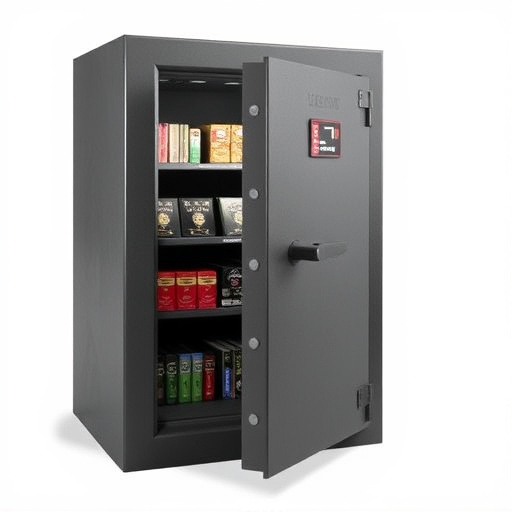
In the digital age, as security threats grow, businesses need Fake Cleaning Product Security Safes to protect sensitive cleaning formulas from counterfeiters. These safes prevent unauthorized access, maintain product integrity, and safeguard against harmful chemicals. With multi-layered security, they ensure staff and consumer safety, deter theft, and are crucial for high-risk sectors, promoting a secure environment through proper storage, training, and regular inventory checks.
In today’s digital age, the risk of counterfeit cleaning products poses a significant threat to both businesses and consumers. The rise of online marketplaces has made it easier than ever for malicious actors to distribute hidden security fakes, leading to potential health hazards and financial losses. This article explores the critical need for fake cleaning product security safes, common threats posed by counterfeits, essential features of secure safes, and best practices for enhancing safety in the face of this growing concern.
- Understanding the Need for Fake Cleaning Supply Safes
- Common Threats Posed by Counterfeit Cleaning Products
- Features of a Secure Fake Cleaning Product Safe
- Implementing Best Practices for Fake Cleaning Safety
Understanding the Need for Fake Cleaning Supply Safes
In today’s digital age, where security threats are ever-evolving, businesses and institutions face increasing challenges in protecting sensitive items within their premises. One often-overlooked aspect of security is the safeguarding of cleaning supply storage. This is particularly pertinent when dealing with fake or counterfeit cleaning products, which can pose significant risks. Fake Cleaning Product Security Safes are designed to address this specific concern, offering a robust solution for businesses seeking to prevent the unauthorized access and potential dangers associated with these illicit items.
The need for such safes arises from the fact that counterfeit cleaning supplies may contain harmful chemicals or substandard ingredients, posing health risks to users. They could also be used as vehicles for introducing toxic substances into a building. By storing these products in specialized safes, organizations can control access, monitor inventory, and ensure the well-being of their staff and visitors. This proactive approach to security is crucial in maintaining a safe and healthy environment, especially in high-risk sectors where cleaning product safety is paramount.
Common Threats Posed by Counterfeit Cleaning Products
Counterfeit cleaning supplies, often referred to as fake cleaning product security safe, pose significant threats to both consumers and businesses. These products, while appearing genuine at first glance, can contain inferior or toxic chemicals that are not listed on the label. Such undisclosed substances may cause adverse health effects, including skin irritation, respiratory problems, and even long-term health complications, especially for those who use them regularly.
Moreover, fake cleaning supplies often fail to meet necessary safety standards, which means they could be ineffective at best and dangerous at worst. They might not kill or repel the intended pests or clean surfaces properly, leaving homes and workplaces vulnerable to dirt, germs, and insects. This not only compromises hygiene but also undermines the purpose of using cleaning products in the first place.
Features of a Secure Fake Cleaning Product Safe
When it comes to safeguarding sensitive cleaning product formulations, a secure fake cleaning product safe is an indispensable tool. These safes are designed with multiple layers of protection, including high-security locking mechanisms and tamper-evident features. The key benefits include preventing unauthorized access, ensuring formula integrity, and deterring theft or counterfeiting attempts.
Key features to look for in a secure fake cleaning product safe include heavy-duty construction, impact-resistant materials, hidden compartments, and advanced locking systems. Some models also incorporate advanced technology like biometric scanners or combination locks with complex codes, further enhancing security levels. This ensures that your valuable cleaning product formulations remain confidential, protected, and accessible only to authorized personnel.
Implementing Best Practices for Fake Cleaning Safety
Implementing best practices for fake cleaning product safety is paramount in ensuring a secure environment, especially in commercial spaces and public areas. The first step involves thorough training of staff on how to identify genuine cleaning supplies from fraudulent imitations. This includes recognizing authentic packaging, labels, and barcodes, as well as understanding the unique characteristics of each product. Regular inventory checks and audits can help maintain an accurate record of stock levels and promptly reveal any discrepancies or unauthorized additions.
Additionally, establishing a secure storage system for cleaning supplies is crucial. This can be achieved by keeping fake Cleaning Product Safety in locked cabinets or specialized safes, away from public access. Implementing access control measures, such as keycards or biometric scanners, ensures that only authorized personnel can handle the chemicals. Moreover, it’s essential to regularly update and review safety protocols, staying informed about new tactics used by counterfeiters to stay ahead of potential risks.
In conclusion, addressing the growing concern over counterfeit cleaning supply safety is paramount. By understanding the common threats posed by these fake products and implementing best practices, businesses can protect their operations and customers’ health. Investing in a secure Fake Cleaning Product Security Safe equipped with advanced features is a strategic move to mitigate risks effectively. Staying vigilant and prioritizing genuine supplies ensures a clean, safe, and reputable environment for all.